Microsoft stops insisting you need a "Copilot+ PC"
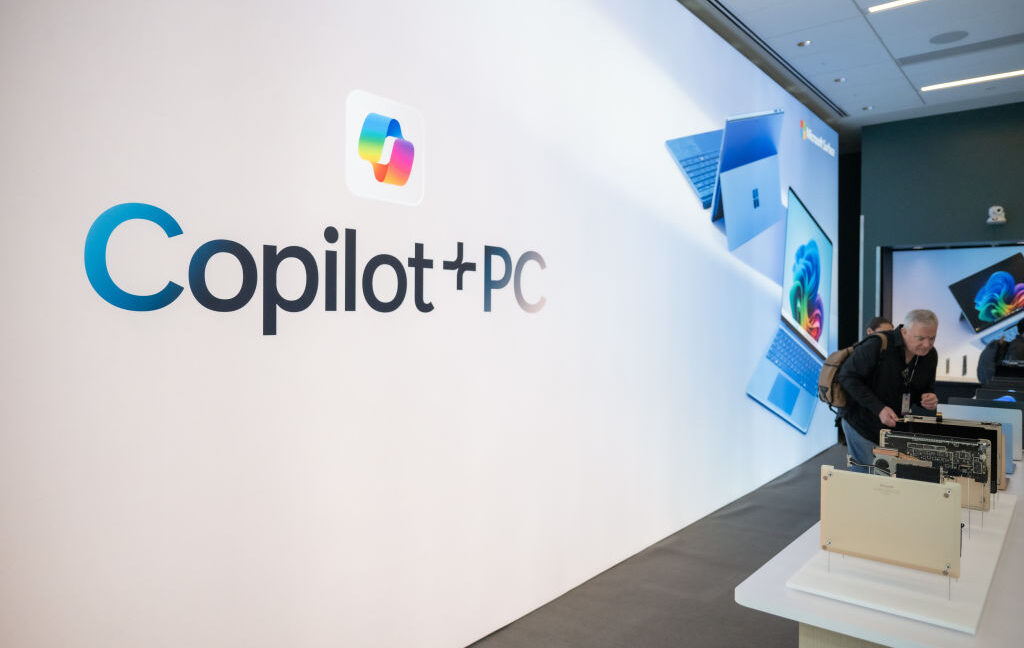
There are numerous reasons why Microsoft may be shying away from Copilot+ PC branding. One is the fact that the label was marred by the alarming, persistent security risks that accompanied its Recall feature, which remains concerning among privacy advocates.
Further, the Copilot+ PC marketing campaign may have served its purpose. It helped push the idea of “AI PCs” as the world’s expectations for generative AI reached new heights. The PC program also gave people a reason to think they needed a new computer, just as the PC industry was experiencing a post-COVID sales lull. In October 2024, Microsoft CEO Satya Nadella said Copilot+ PCs were “winning new customers.” In January 2025, he said that Copilot+ PCs represented 15 percent of premium laptop sales in the US during the holiday season.
Two years later, the idea of AI PCs is fading. PC manufacturers already had trouble pushing the AI PC message before the RAM shortage complicated things further, Jitesh Ubrani, research manager for worldwide mobile device trackers at IDC, told Ars Technica in January.
“General interest in AI PCs has been wavering for a while, since cloud-based options are widely available and the use cases for on-device AI have been limited. This indifference (between on-device and cloud-based) from a demand perspective might work in favor of PC OEMs, as they don’t need to provide large amounts of RAM,” he added.
More evidence of waning AI PC interest comes from Dell, which this year killed the laptop branding that it released in 2025. Dell’s 2026 laptop lineup makes minimal mention of AI PCs, which is starkly different from 2025.
Another reason that Microsoft could be putting Copilot+ PC marketing on the back burner is Nvidia’s incoming RTX Spark laptop GPUs. Microsoft has already confirmed it’s releasing a “Surface Laptop Ultra” with RTX Spark this fall. The use of RTX Spark may end up taking marketing precedence over the idea of PCs that run Copilot well, which have now been around for years.