Google updates WeatherNext with satellite data and improved accuracy
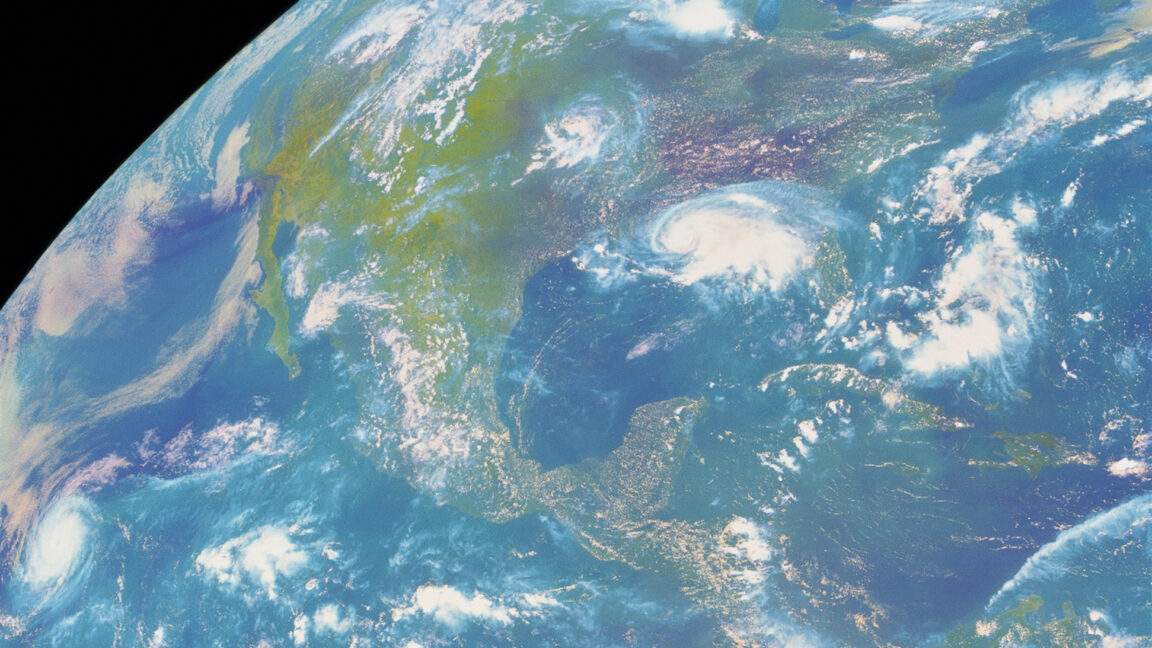
Google has released version 3 of its WeatherNext artificial-intelligence weather forecasting model. The update adds some satellite weather data to the information processed by the system, reducing the delay between observed atmospheric conditions and the creation of a new forecast. Google describes the changes in a white paper.
AI weather models such as WeatherNext have both strengths and weaknesses compared with traditional forecasting systems. Their main potential advantage is that they can achieve forecast performance similar to traditional models while requiring substantially less computing power to operate. This makes it possible to run them more frequently.
The update also reflects the importance of broad input sets in weather forecasting. Many conventional models use a reanalysis: a separate model that combines numerous weather observations into a consistent global representation of the atmosphere. Reanalyses estimate conditions in places without direct measurements, because forecasting systems need a global picture on which to base their calculations. WeatherNext now incorporates satellite observations in addition to its existing inputs, according to the article.
Written by Sakhanda Wire AI from reporting by Ars Technica. Facts, quotes and full context are in the original article below.