Google develops a watermark for AI-designed proteins
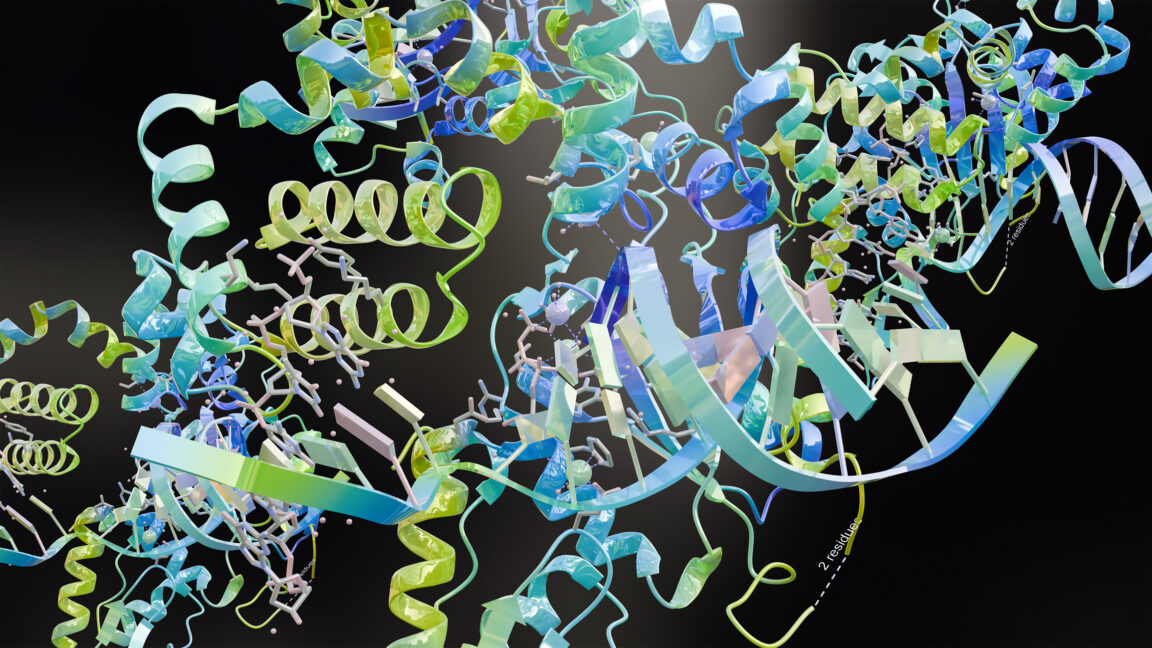
Google has developed a way to watermark proteins created with artificial intelligence, in a step aimed at supporting biosecurity. The method is designed to work with a popular AI protein design tool, according to the report. The approach addresses a growing concern around the use of generative systems in biological research.
AI tools can help scientists create proteins with useful properties. Reported examples include enzymes designed to break down plastics and proteins intended to block venom. The same capabilities could potentially be used to create toxins or modify how viral proteins behave. Existing DNA-screening systems may fail to identify sequences for AI-designed proteins because those proteins have not been sufficiently characterized as potential threats. That gap was identified nearly a year ago, but a practical response had remained unclear. Watermarking offers a way to distinguish proteins produced through AI design, although the report does not provide further technical details about Google’s system.
Written by Sakhanda Wire AI from reporting by Ars Technica. Facts, quotes and full context are in the original article below.