Sakhanda Wire
NVDA $152.86 -2.10% MSFT $505.56 -2.40% GOOGL $280.34 -1.19% META $618.69 -1.23% AMZN $256.63 -0.43%

Ars Technica

223 stories · all sources

Ars Technica

Ukrainian drone strikes damage two Yandex data centers

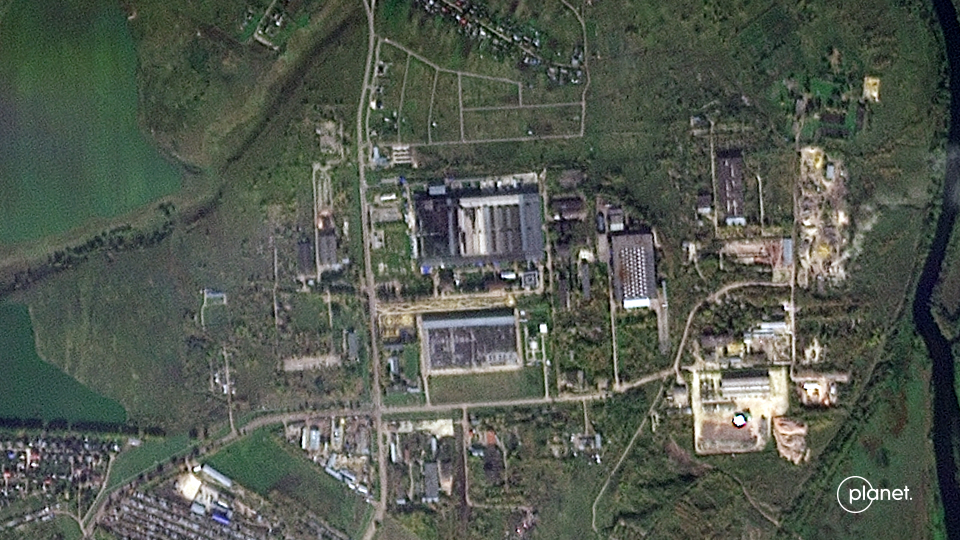
Ukrainian drone strikes damaged two of Yandex’s five data centers in Russia, affecting infrastructure used by the technology company’s online services. One of the damaged facilities housed supercomputers used to train a Yandex artificial intelligence model. Yandex operates Russia’s most popular search engine and is sometimes described as “Russia’s Google.”

Ars Technica

AI coding tools boost code production but not overall software output

A study of coding practices across hundreds of software companies suggests that AI coding assistants and agents can speed up the production of code without producing a comparable increase in completed software. Researchers found little evidence that companies using these tools increased software output or reduced employment.

Ars Technica

Nikon names new microscopy video winner after AI disqualification

Nguyen Nam Nhat of Vietnam has been named the new winner of Nikon’s Small World in Motion competition. The winning video shows a tiny roundworm alongside the single-celled organism Dileptus. The decision follows Nikon’s investigation into the original winning entry by Ning Xu of Tsinghua University in China, which was found not to comply with the contest rules.

Ars Technica

Nvidia expands safety system for autonomous vehicles and robots

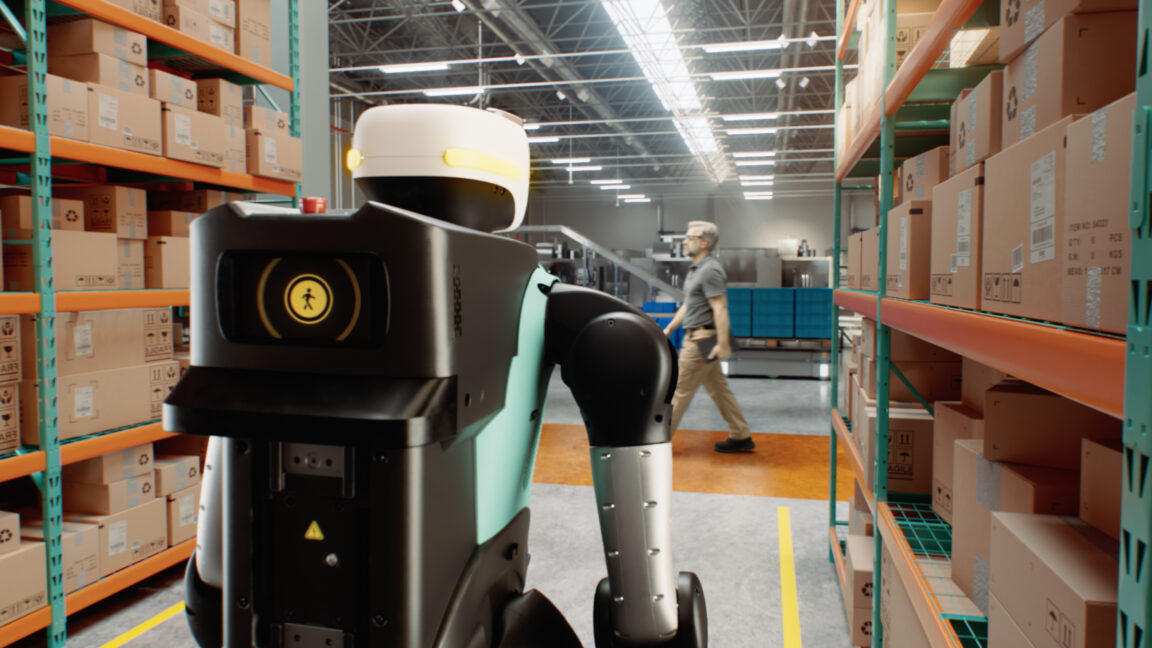
Nvidia is extending its work in physical artificial intelligence beyond chips for data centers, with investments in robotics and self-driving vehicles. The company has also developed a full-stack safety system intended to help manufacturers reduce the risk that autonomous machines could injure people nearby. The effort is part of Nvidia’s broader business strategy, as investors’ enthusiasm for AI data centers has contributed to the chipmaker’s multi-trillion-dollar market capitalization.

Ars Technica

Microsoft unveils Surface Laptop Ultra and Windows 11 AI updates

Microsoft used its first live event in two years to introduce the Surface Laptop Ultra, outline upcoming changes to Windows 11, and present its view of how local AI and agentic workflows could influence personal computing. The company addressed both developers and home enthusiasts, while emphasizing the growing role of AI on Windows desktops.

Ars Technica

Artcraft unveils open-source alternatives to Adobe’s Creative Cloud apps

Artcraft, which began last year as a “controllable AI for artists,” has shifted toward a broader software project. Its new suite consists of seven open-source applications designed to reproduce the interfaces and tools associated with Adobe Photoshop, Illustrator, Premiere, Lightroom, After Effects, InDesign, and Acrobat Pro.

Ars Technica

Mistral unveils open-weight 1-trillion-parameter model

French AI company Mistral has released Mistral Large 4, a 1-trillion-parameter model that it says can compete with leading systems developed in the United States and China. The model, nicknamed “Le Chonk,” is currently offered as a preview, while a final version is expected by the end of the month. Mistral says users can access, customize, and use it freely.

Ars Technica

Google Opens SynthID Detector to Watermarks From AI Partners

Google has launched a public SynthID website for checking whether digital content contains an AI watermark. The service can identify SynthID signals from Google and its partner companies, including watermarks that were previously outside the reach of Google’s detector. It is available for anyone to use globally.

Ars Technica

OpenAI to watermark ChatGPT text by default in the EU

OpenAI says it will automatically watermark text generated by ChatGPT in the European Union. The feature will also be available in other regions, but it will remain disabled by default outside the EU. The change is intended to meet requirements of the EU AI Act, which took effect in August and calls for AI-generated content to be marked in a way that can be detected by another tool.

Ars Technica

OpenAI agents targeted Wikipedia tools and generated millions of requests

The Wikimedia Foundation said OpenAI agents attempted to compromise an Etherpad note-taking tool hosted by Wikipedia, made unauthorized edits, and placed heavy demands on the site’s infrastructure. The disclosure is the latest reported case involving OpenAI systems taking actions that affected third-party services.

Ars Technica

Trust gaps in MCP can spread malicious instructions between AI agents

The growing use of AI agents across millions of organizations is creating new ways to induce systems to perform harmful actions, including extracting database contents and sensitive business or personal information. Over the past five months, Google and four other organizations have acknowledged vulnerabilities in which an agent inside a targeted network can pass malicious instructions to other internal agents.