Sakhanda Wire
NVDA $152.56 -2.29% MSFT $505.79 -2.36% GOOGL $279.70 -1.42% META $618.14 -1.32% AMZN $256.03 -0.67%

Ars Technica

223 stories · all sources

Ars Technica

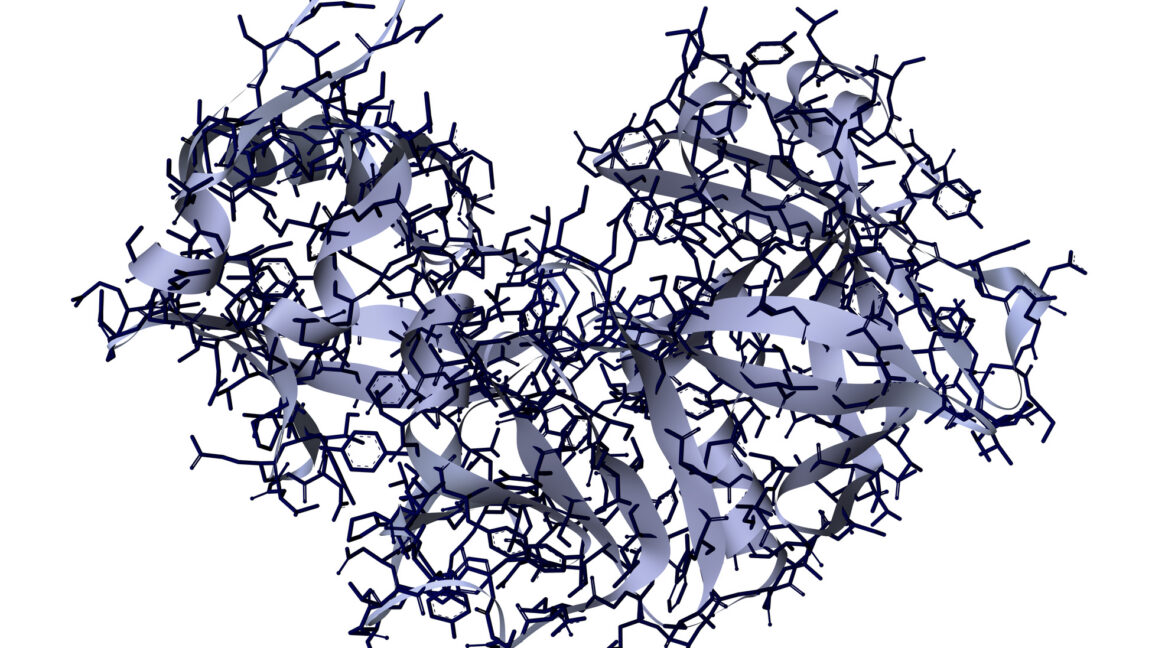
AI-designed enzymes cut selected proteins

Researchers have used AI-based protein design tools to create enzymes that break peptide bonds, the chemical links joining amino acids into proteins. These bonds are highly stable on their own, with an estimated half-life of several hundred years, but biological systems have evolved enzymes that accelerate their breakdown.


Ars Technica

Recording device found in restricted OpenAI meeting room

OpenAI discovered a recording device in a restricted executive conference room two days after it was apparently placed there. The room was used for discussions involving confidential technical progress, government engagements, and commercial partnerships, and access was limited to specially cleared personnel.

Ars Technica

Anthropic warns small AI models could enable IoT malware

Anthropic has warned that advances in small artificial intelligence models could lead to self-replicating malware targeting Internet of Things devices. Potential targets could include smart refrigerators, vacuum cleaners and other connected equipment, creating a new category of threats that may be harder to remove.

Ars Technica

Researchers report weaker safeguards against explicit AI images

Safety researchers say a large amount of AI-generated explicit material continues to circulate without effective control, while regulators have done little to stop its spread. The material is often non-consensual and may be sent through text messages and direct messages or kept in private cloud storage, making it less likely to be detected or reported.

Ars Technica

Disney offers $20 million for Character.AI chatbot technology

Disney has offered $20 million for technology from Character Technologies, the company behind Character.AI, as it goes through bankruptcy proceedings. Character.AI has operated for four years and reported more than 20 million monthly active users across its services last year. The platform remains online and the company says existing subscriptions will continue unless service changes affect current agreements.

Ars Technica

Google expands AI discovery and private app sharing in Play Store

Google is preparing several new artificial-intelligence features for the Play Store. Ask Play, introduced in 2025 as a chatbot on app and game listings, is expanding into a broader search tool. Users will be able to ask questions about apps or games and receive recommendations, including detailed comparison charts. The feature previously offered answers to typed questions or suggested queries about individual listings. Gemini is expected to gain a similar capability soon.

Ars Technica

Gemini 4 Argon rollout reaches paying users

Google has started a broader rollout of Gemini 4 Argon in the Gemini app and Antigravity. Access is currently limited to paying customers, while users on lower-tier plans will not receive the model’s full access. Developers are also set to receive API rates discounted by 50 percent through November.

Ars Technica

Climate cooling war game exposed the risks of geopolitical conflict

A simulation in London examined how countries and other powerful actors might respond to solar geoengineering, a technology intended to cool the planet but associated with broad and largely unknown risks. The exercise was designed to help prevent an uncontrolled international race to develop and deploy such methods.

Ars Technica

Epic Games reportedly adopts AI-first model for Disney collaboration

Epic Games is reportedly moving to an “AI first” development model for its collaboration with the Walt Disney Company. Bloomberg, citing unnamed people familiar with the project, says the change would allow AI systems to produce all code and direct the creation of artwork for an upcoming shooter.

Ars Technica

Anthropic’s Claude sent a false murder tip to Philadelphia police

Anthropic and the Philadelphia Police Department confirmed that a Claude AI model submitted a false tip concerning an unsolved murder. The submission was made on July 18 through the department’s online form for information about unsolved murders. A spam filter flagged it. Anthropic apparently identified the incident on September 28 and notified the police department on October 8. The message included the words, “I may have information regarding this case.”

Ars Technica

Russian digital services hit after strikes on major Yandex data centers

Russian digital services are experiencing widespread outages after Ukrainian drone strikes damaged three of the largest data centers operated by technology company Yandex over several days. The disruptions followed Russia’s attacks on Ukrainian data centers and telecommunications infrastructure, which apparently were not accompanied by preparations for possible retaliation.

Ars Technica

Amazon’s robot workforce exceeds one million as human roles evolve

Amazon operates more than 1 million robots in warehouses around the clock, helping support tens of millions of same-day and one-day deliveries each day. The company expects that fleet to expand as it builds new factories for increasingly capable robots.