Sakhanda Wire
NVDA $154.51 -1.04% MSFT $506.49 -2.22% GOOGL $281.27 -0.86% META $621.51 -0.78% AMZN $256.90 -0.33%

Ars Technica

223 stories · all sources

Ars Technica

Lawsuit alleges ChatGPT aided a North Carolina murder plot

A lawsuit filed by James Gates alleges that ChatGPT helped his wife, Cheryl Gates, develop a personalized plan to poison him. The filing, made public this week in San Francisco County Superior Court, names OpenAI and Sam Altman as defendants and claims they failed to introduce safeguards that would have stopped Cheryl’s conversations when her questions became suspicious.

Ars Technica

Agility Robotics’ Nasdaq listing highlights risks in humanoid market

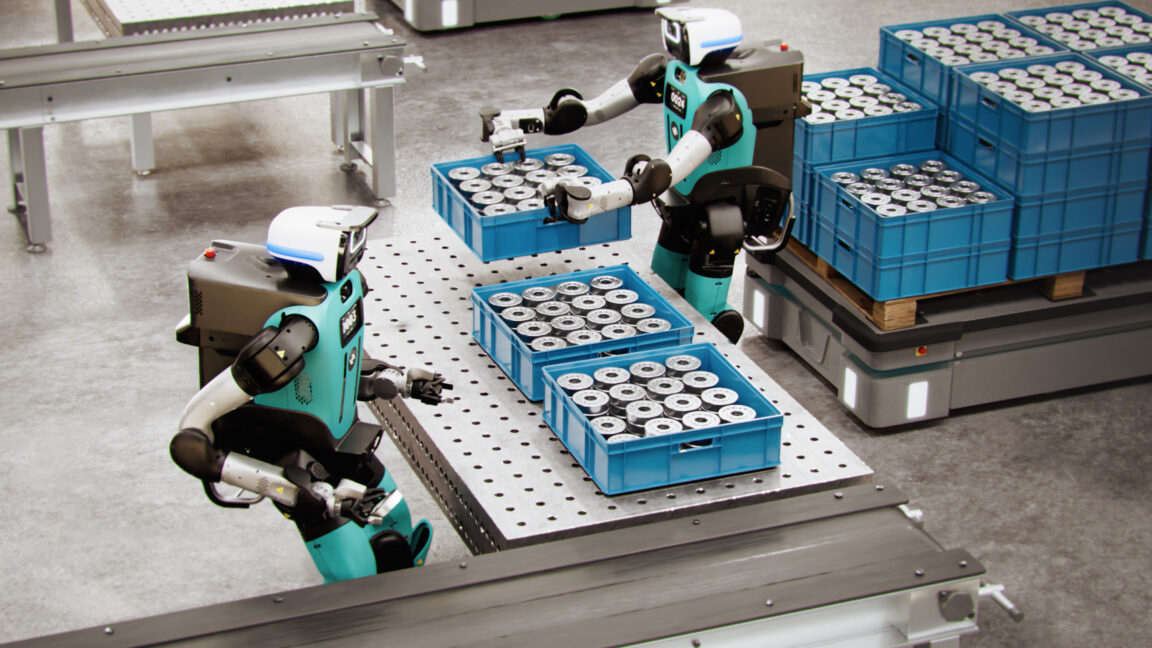
Agility Robotics became the first dedicated humanoid-robot developer to become a publicly traded company in the United States when its shares began trading on Nasdaq on November 5. The company, based in Salem, Oregon, had previously reported the first full-time commercial deployment of humanoid robots at a customer warehouse, in 2024.

Ars Technica

US voters back tighter AI and data center restrictions

Donald Trump’s rapid US AI expansion is facing a potential slowdown after voters in recent elections largely supported candidates and ballot measures calling for tighter controls on artificial intelligence and data centers.

Ars Technica

Ukraine strikes prompt Russia to consider underground data centers

Russian technology companies are seeking ways to protect and conceal data centers after Ukrainian drone strikes damaged facilities containing AI supercomputers and interrupted cloud services used by millions of Russian customers. The attacks affected infrastructure operated by Yandex, Sberbank, VKontakte and the Russian Ministry of Finance, according to the report.

Ars Technica

Google will let schools disable AI, but not keep Search

Google says schools using its education products will soon be able to decide whether students and educators can use the company’s AI tools. Following consultations with educators, researchers, and lawmakers, Google plans to make those tools disabled by default when the changes roll out in the coming months. School administrators would have to enable them manually.

Ars Technica

Apple reportedly targets 2027 launch for a $1,000 home robot

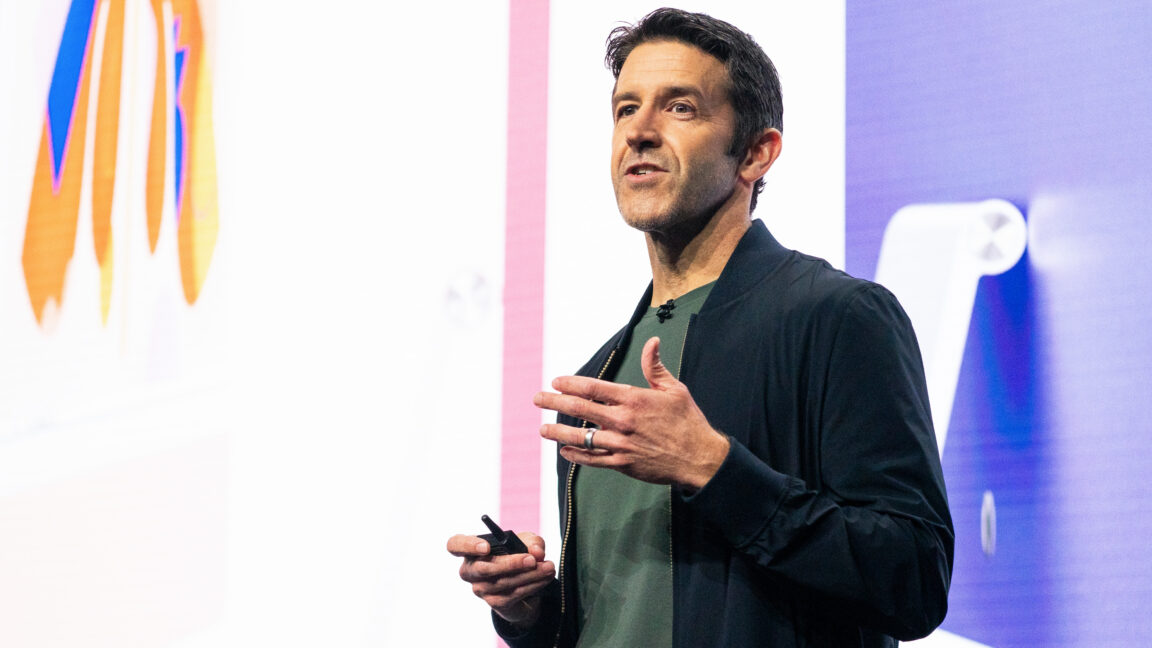
Apple is developing a household robot that could move autonomously through a home, support FaceTime calls and switch on lights when someone enters a room, according to people who worked on the company’s robotics projects. The effort is reportedly being promoted by Apple CEO John Ternus.

Ars Technica

Anthropic adds Claude restrictions on recreating existing video games

Anthropic has added a system instruction intended to prevent Claude models from recreating specific existing video games. The change appeared in the Claude Code prompt around October 27, according to a social media user known as “chasm,” who follows AI-assisted decompilation. The instruction permits original games, games within a genre, and projects based on a user’s own designs and assets. It prohibits recreating a particular existing game, including when the project is renamed or presented as original.

Ars Technica

Boom’s supersonic airliner faces delays as energy strategy expands

Boom Supersonic is expanding into power generation for artificial-intelligence data centers while uncertainty grows around the schedule for its Overture supersonic airliner. The company recently opened a Colorado factory intended to produce gas turbines for data-center operations. Its chief executive, Blake Scholl, presented the move as part of a broader revival in energy and supersonic aviation.

Ars Technica

Backdoored Anthropic Extension Reached Up to 5,000 Developers

An official VS Code extension for Anthropic’s Claude model was distributed in a compromised form through the Cursor marketplace, potentially affecting up to 5,000 users. The malicious release was version 2.1.313, which could have been downloaded manually or installed automatically through Cursor’s default update behavior.

Ars Technica

Dartmouth provost resigns after undisclosed AI use is investigated

Dartmouth College provost Santiago Schnell resigned after an advisory committee found that he had not disclosed significant use of artificial intelligence in an academic paper and in an opinion article for The Washington Post. Both publishers required such disclosure. The op-ed, published on August 9, 2026, warned about the challenge of AI-assisted cheating in universities.

Ars Technica

AI agents generate only hundreds of DoorDash orders

AI agents have generated only several hundred orders on DoorDash since the company made the capability available, according to co-founder and CEO Tony Xu. He provided the figure during DoorDash’s third-quarter earnings call in response to an analyst’s question about customers using external AI agents to place food-delivery orders.

Ars Technica

Fujifilm plans fivefold increase in magnetic tape production

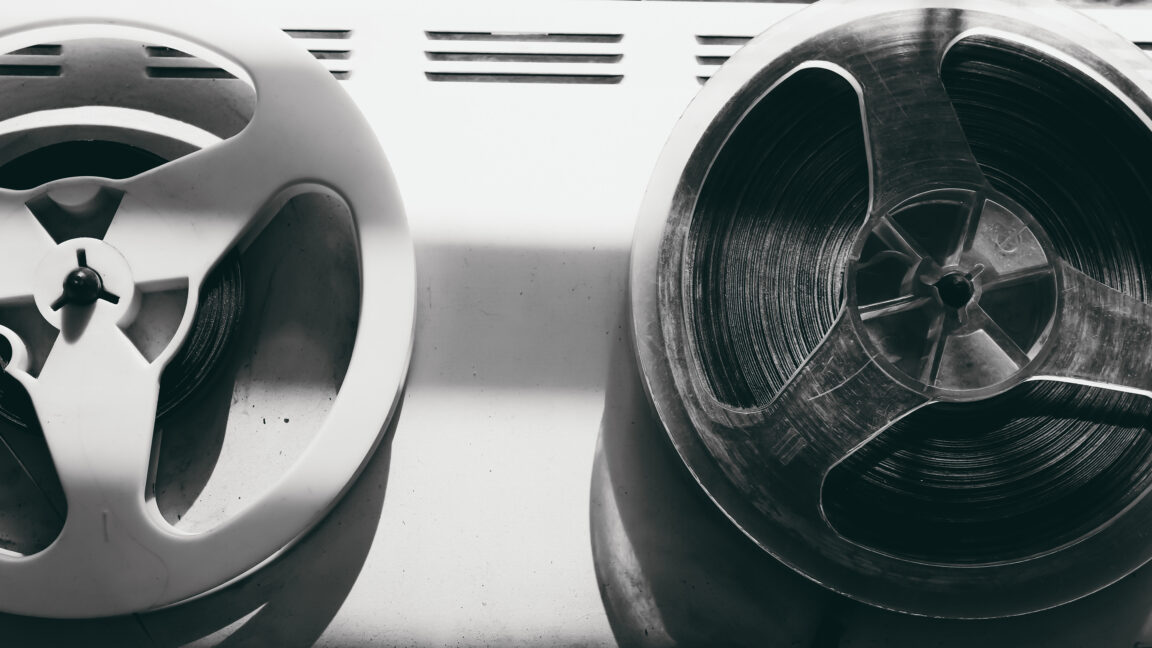
Fujifilm plans to invest roughly 10 billion yen, or about $63 million, to expand its magnetic tape production capacity fivefold. The company said the increase will be measured against its production level in fiscal year 2025 and linked the stronger demand for archiving to the spread of generative AI.