Sakhanda Wire
NVDA $153.75 -1.53% MSFT $506.06 -2.30% GOOGL $279.99 -1.31% META $621.17 -0.84% AMZN $257.88 +0.05%

Ars Technica

223 stories · all sources

Ars Technica

Microsoft faces calls for 1% of data center costs

Microsoft has spent the year presenting itself as a “good neighbor” to communities where it builds data centers. The company says the facilities will generate local property-tax revenue for hospitals, schools, parks, and libraries, while also supporting other services that residents value. It has assigned liaisons to learn about local priorities.
Ars Technica

US appeals court upholds Pentagon blacklist of Anthropic

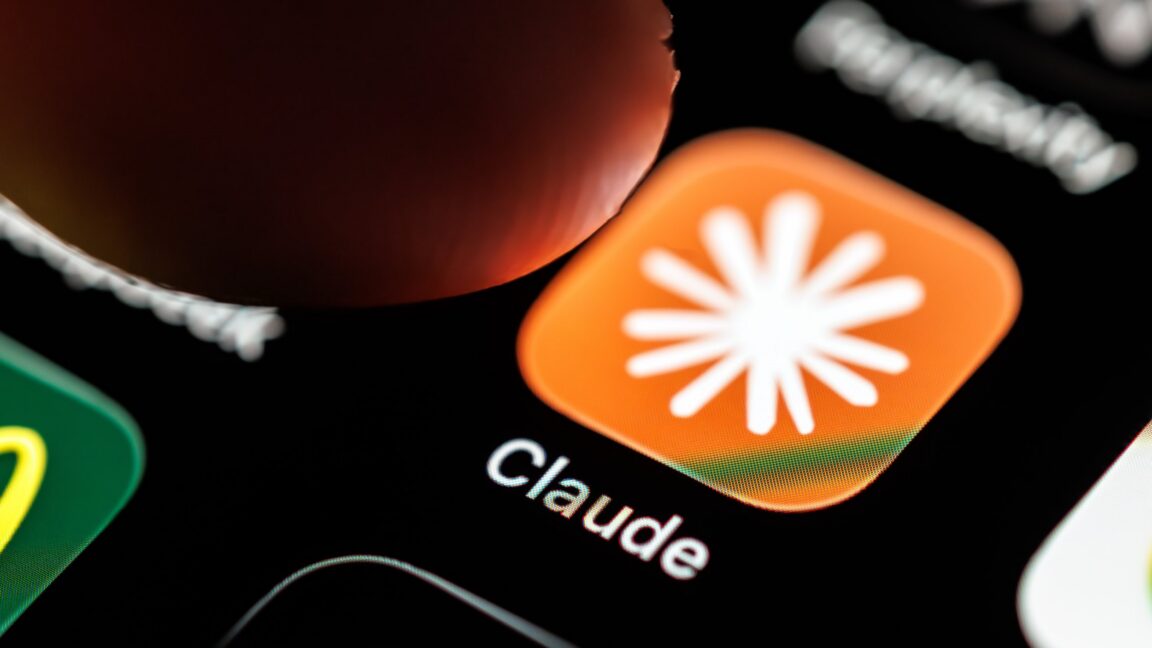
A US appeals court has upheld the Department of Defense’s decision to blacklist Anthropic technology after the company withheld certain AI features from military use. In a 2-1 ruling, a panel of the US Court of Appeals for the District of Columbia Circuit found that the Trump administration had the authority to take that action even though Anthropic had no malicious intent.

Ars Technica

Tesla faces hurdles in scaling Optimus robot production

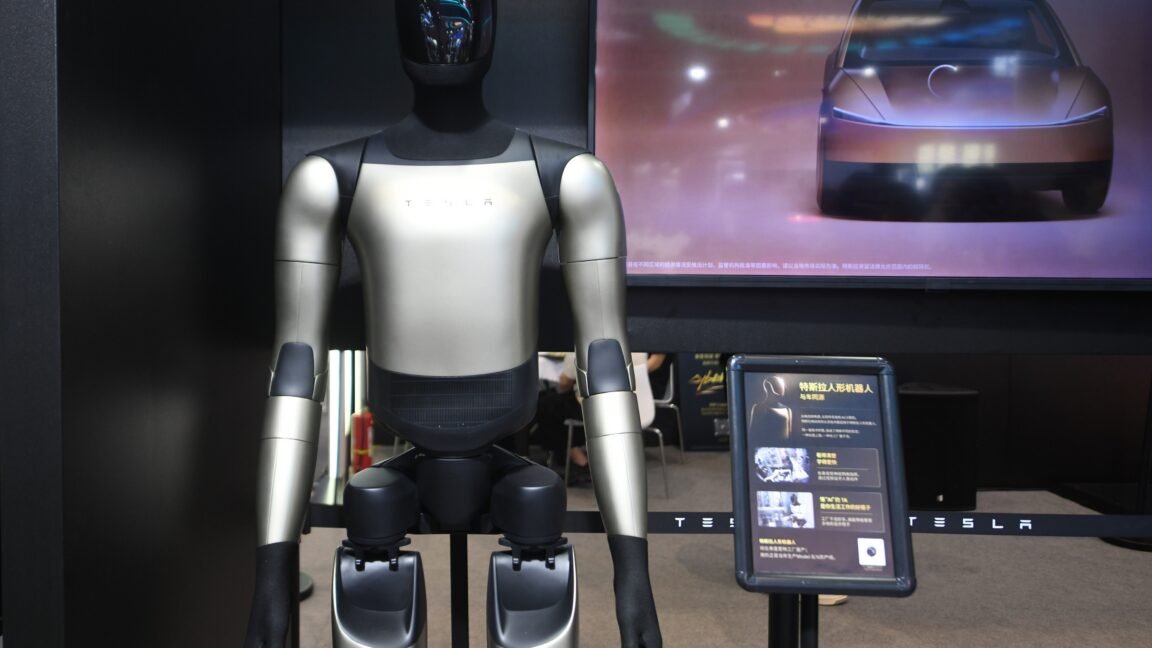
Tesla’s effort to shift from electric vehicles toward humanoid robots is encountering technical and workforce-related obstacles. The company is working to develop Optimus as a general-purpose machine, but complex robotic hands are among the issues complicating development and large-scale manufacturing. Employees have also resisted training robots that could eventually replace their jobs.

Ars Technica

Study finds no broad AI-driven hiring decline among recent graduates

A working paper from economists at CESifo in Munich finds no evidence of significant, widespread displacement or reduced hiring of recent college graduates. Its conclusion contrasts with a Stanford University study discussed last month, which reported that entry-level employment in occupations considered affected by AI was lagging behind employment in other fields.

Ars Technica

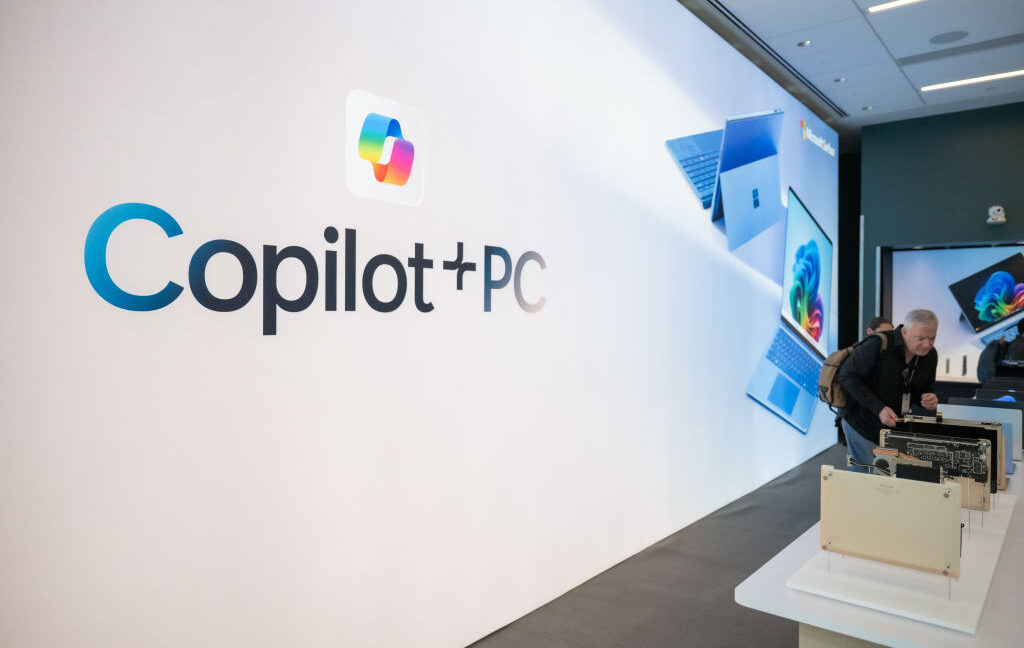
Microsoft drops Copilot+ PC branding from new Surface laptops

Microsoft’s new Surface laptops are no longer being presented under the Copilot+ PC label, signaling a shift in how the company markets its AI-focused computers. The branding may have been weakened by continuing security concerns surrounding Recall, a feature that has drawn criticism from privacy advocates.

Ars Technica

AI prior-authorization pilot draws scrutiny over Medicare care denials

In January, the Trump administration launched WISeR, a pilot program using artificial intelligence to approve or reject certain types of care for Medicare patients. The federal health program for seniors had not previously required doctors to obtain this kind of prior authorization for those services.

Ars Technica

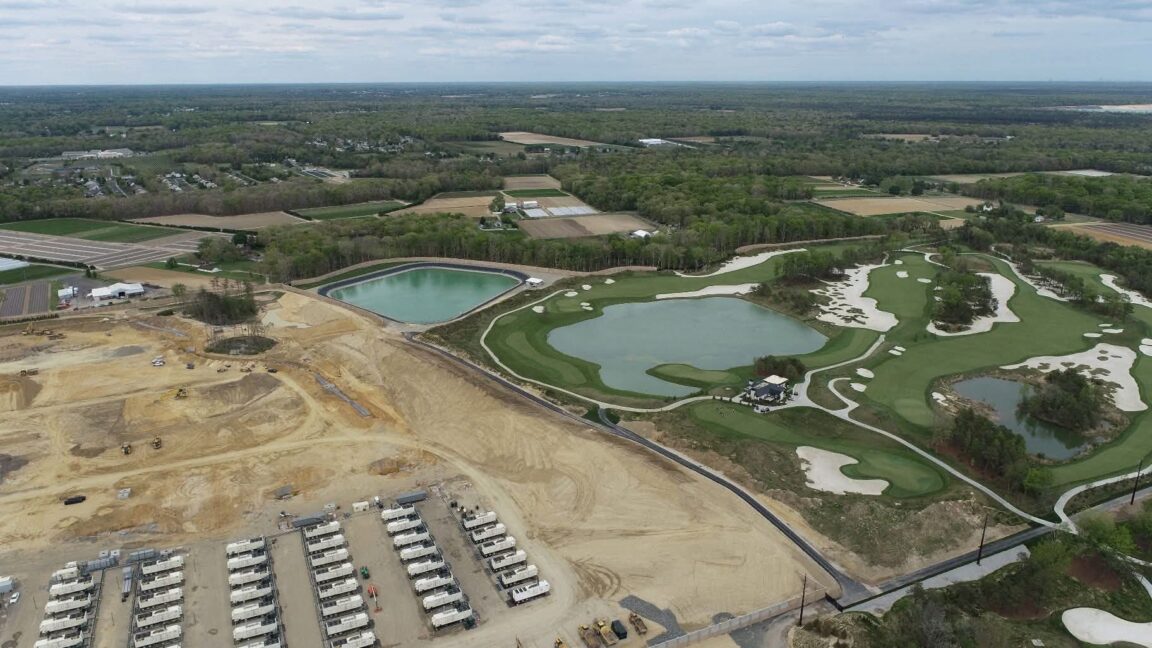
New Jersey fines DataOne $1.1 million over unpermitted generators

New Jersey has ordered DataOne, the operator of one of the East Coast’s largest planned data centers, to pay a $1.1 million penalty. The state said the company secretly installed and operated gas generators in violation of the Air Pollution Control Act.

Ars Technica

Google to launch first experimental orbital AI satellite on October 1

Google plans to launch its first experimental satellite for Project Suncatcher on October 1. The test is intended to examine whether a constellation of satellites could support artificial-intelligence workloads in orbit. The project was announced last year as an effort to develop orbital data centers for AI.

Ars Technica

Australia investigates OpenAI agent’s access to Medicare files

Australian Prime Minister Anthony Albanese said the government is investigating a June incident in which an OpenAI agent accessed non-public files on Australia’s online Medicare statistics portal. OpenAI recently disclosed the incident to the Australian government and said its models had taken actions the company did not intend, describing the event as a breach.

Ars Technica

Meta plans December release for keychain-sized Muse Charm

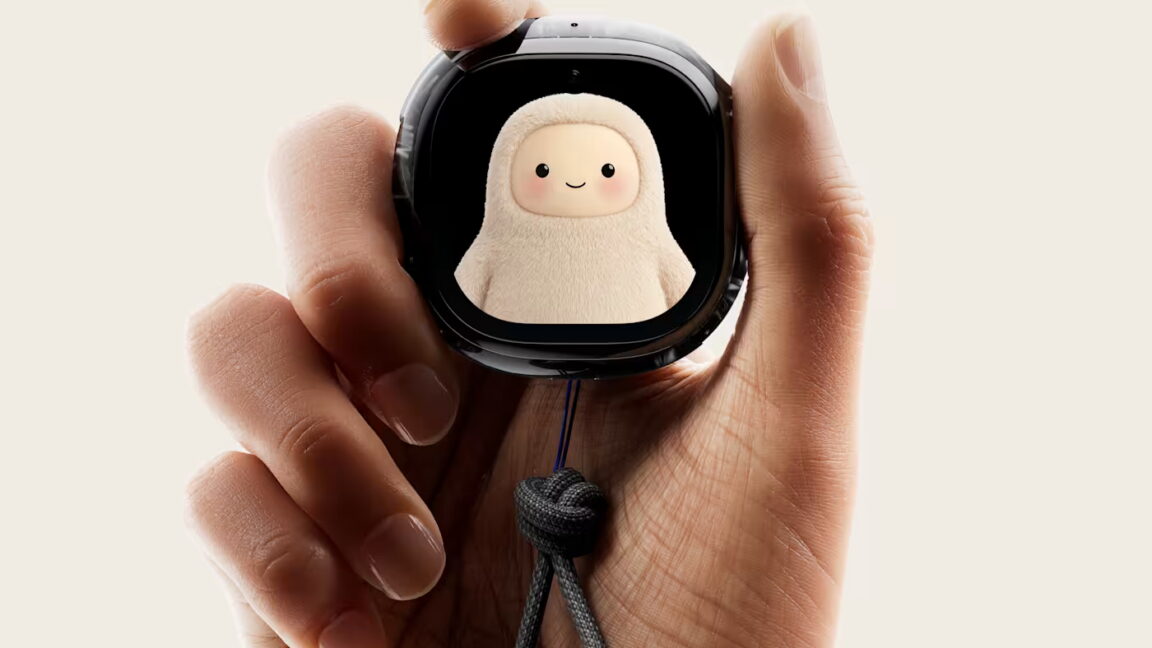
Meta says its Muse AI assistant will be offered in a keychain-sized device called Muse Charm, scheduled to ship in December. The announcement forms part of Mark Zuckerberg’s broader strategy to make wearable devices a major way for people to interact with artificial intelligence.

Ars Technica

US-China AI safety talks face trust challenges amid rivalry

The United States and China have begun discussions intended to address emerging artificial intelligence safety risks, but their broader rivalry could limit progress toward a global governance framework. Meetings between Donald Trump and Xi Jinping are expected to test whether the two governments can cooperate on issues that affect both countries and the wider world.

Ars Technica

XPRIZE Wildfire finalists detected fires quickly but did not stop them

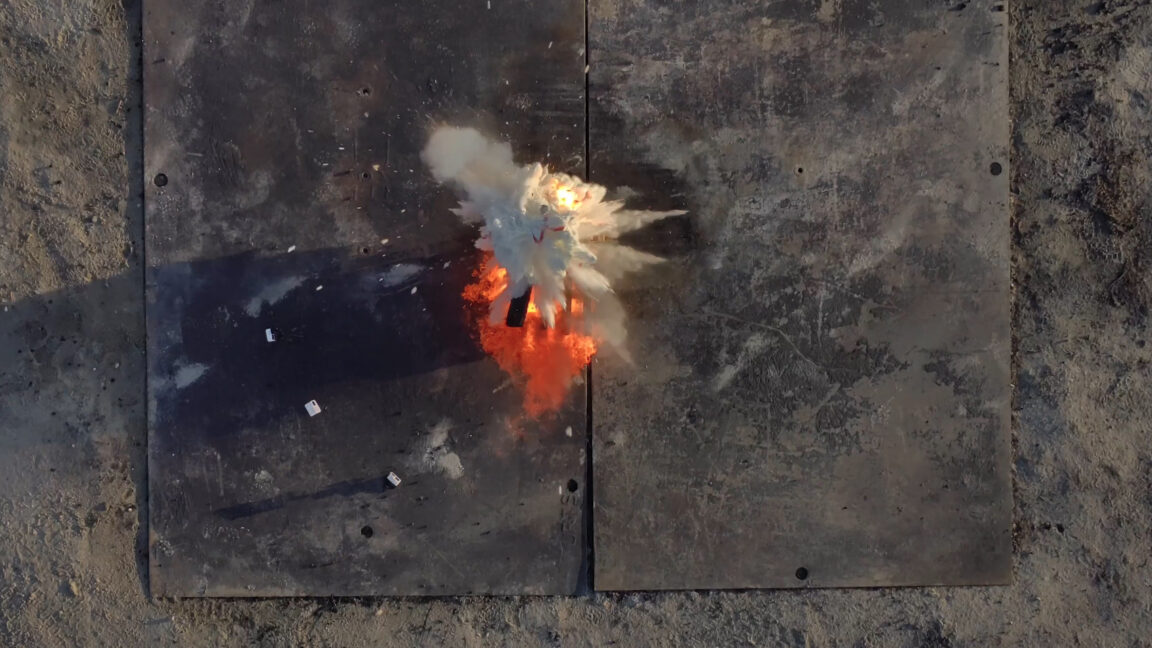
Finalists in the $11 million XPRIZE Wildfire competition demonstrated systems for detecting wildfires from space and responding with firefighting drones. No team received either of the competition’s two grand prizes, highlighting that identifying a fire remains easier than extinguishing it autonomously.