Google adds encrypted and high-memory variants to TPU 8 lineup
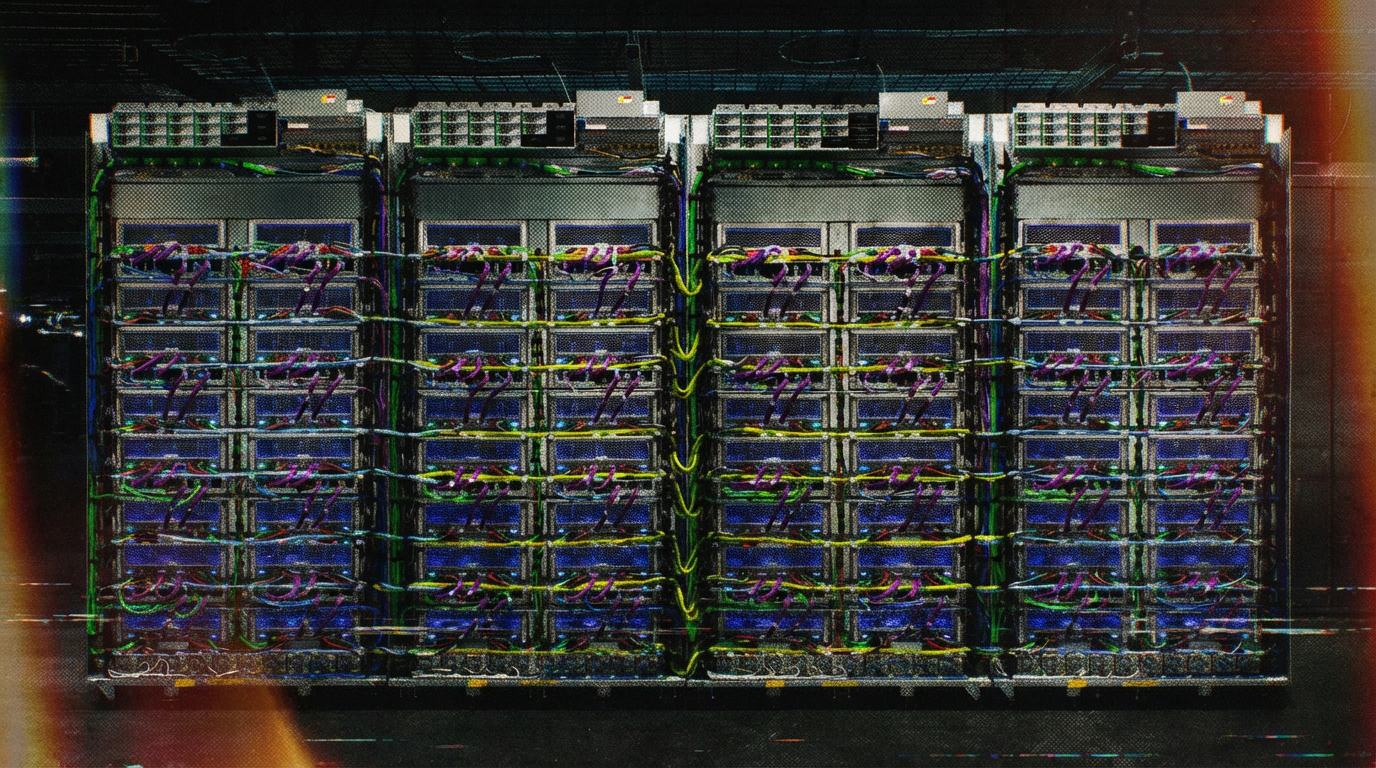
Google has introduced two systems in its eighth-generation AI accelerator family: the TPU 8tx, aimed at confidential computing, and the TPU 8i Max, designed for workloads that require more memory. Both use existing processors rather than a new chip generation, with changes to packaging, networking and memory. Google says this modular strategy allows new configurations to reach the market within months.
The TPU 8tx is intended for enterprises and government agencies handling sensitive information. Google says data and model weights remain encrypted and isolated while they are being processed. The system uses the company’s Boardfly network and is claimed to provide up to twice the latency reduction of the TPU 8t. It can support model fine-tuning, distillation and reinforcement-learning work for AI agents without transferring sensitive data between clusters.
The TPU 8i Max places two TPU 8i chips in one package, doubling compute, memory and memory bandwidth in the same rack format. Google says it has now shipped four TPU systems in one year. Open-source TorchTPU, along with support for vLLM and SGLang, is intended to ease adoption. Google says nearly 100 external customers use its TPUs as the company targets the growing inference market.
Written by Sakhanda Wire AI from reporting by The Decoder. Facts, quotes and full context are in the original article below.